


- What Is a Chronic Sinus Infection?
- Risk Factors and Common Causes of Chronic Sinus Infection
- 5 Signs It’s Time to See a Chronic Sinus Infection Doctor
- Why Delay Isn’t Worth It: The Risks of Untreated Chronic Sinusitis
- What to Expect When You Visit a Chronic Sinus Infection Doctor in Minneapolis
- Find Relief and Breathe Easier Today
- Frequently Asked Questions About Chronic Sinus Infections
If you’ve been battling what feels like never‑ending congestion or sinus pressure, even when you’re no longer sneezing from pollen, you may be dealing with more than just seasonal allergies and it may be time to talk to an expert.
Here are 5 warning signs that you need to consult a chronic sinus infection doctor instead of waiting for allergies to clear up on their own.
What Is a Chronic Sinus Infection?
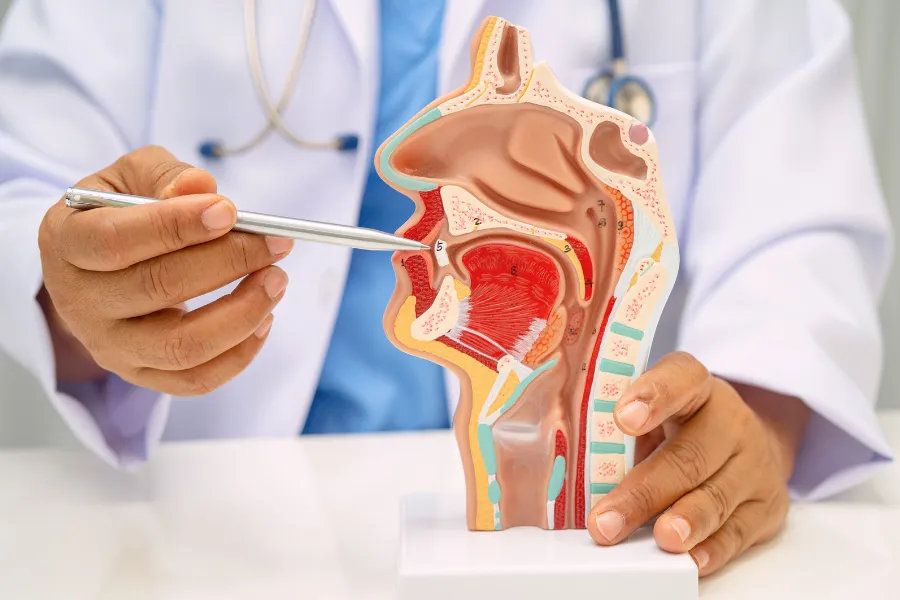
Your sinuses are air‑filled cavities behind your cheeks, forehead, and nose, lined with mucus membranes that keep things moist and trap dust, allergens, and microbes. When those sinus passages become inflamed and stay that way for a long time, even after typical cold or allergy symptoms fade, the condition may qualify as chronic sinusitis (or chronic sinus infection).
Chronic sinusitis isn’t just a lingering sniffle or a stubborn cold. It’s a persistent inflammation or infection, often lasting 12 weeks or longer, that can seriously affect breathing, sleep, and quality of life.
For many people, what starts as repeated bouts of “just allergies” or repeated sinus infections becomes a chronic condition that requires specialized care, often from an ear, nose, and throat (ENT) doctor. That matters because without correct diagnosis and treatment, you could end up dealing with worsening symptoms, frequent relapses, or complications that go beyond discomfort.
Risk Factors and Common Causes of Chronic Sinus Infection
While chronic sinusitis can affect almost anyone, certain factors make some people more likely to develop it. These include:
- Allergies or asthma — ongoing inflammation from allergens can constantly irritate sinus tissue.
- Structural issues — nasal polyps, a deviated septum, or other anatomical variations that block proper drainage.
- Frequent or unresolved infections — repeated viral or bacterial infections, or sub‑acute sinus problems that never fully resolve, can become chronic.
- Environmental irritants — exposure to pollutants, dry air, or irritants (common in urban/suburban settings) can trigger or worsen sinus inflammation.
- Immune system or general health issues — a weakened immune system or related conditions can make it harder to fight off sinus inflammation.
If any of these sounds familiar, especially if you live somewhere with changing seasons like Minneapolis, it’s worth paying attention to how long your sinus symptoms stick around.
5 Signs It’s Time to See a Chronic Sinus Infection Doctor
If your sinus troubles feel more persistent than temporary, watch out for these red flags. They could mean you’re dealing with chronic sinusitis, and it’s time to consult a specialist.
1. Symptoms Last for 12 Weeks (or More) Without Relief
Short-term sinus infections usually clear up within a few weeks. Chronic sinusitis, by definition, involves symptoms that persist 12 weeks or longer despite attempts at rest or self‑care.
If you’ve had nasal congestion, pressure, or drainage for 3 months straight, that’s a strong signal you need to see a doctor.
2. Repeated Infections or Relapses (Multiple Times Per Year)
It’s not just about a one‑time long infection. If you’re having frequent sinus infections, even if they clear partially between episodes, that could mean a chronic problem.
Frequent bouts of sinusitis may point to underlying issues like structural problems or persistent inflammation rather than simple colds or seasonal allergies.
3. Unusual Nasal and Facial Symptoms
These are hallmark symptoms of chronic sinus infections that differ from typical allergy run‑of‑the‑mill congestion:
- Thick green or yellow mucus
- Constant pressure in your cheeks, forehead, or around your eyes
- Increased facial pressure, especially when bending forward
These symptoms can suggest your sinuses may be inflamed or infected.
4. Smell and Breath-Related Abnormalities
Chronic sinusitis often affects your sense of smell and can leave you with lingering postnasal drip, throat irritation, or bad breath. Reduced or complete loss of smell (anosmia) is a common side effect of chronic nasal inflammation, as the swelling physically blocks odor molecules from reaching the necessary receptors.
Additionally, the constant flow of mucus down the back of your throat, known as postnasal drip, can lead to chronic coughing, a sore throat, and persistent bad breath that simple brushing can’t resolve.
5. Symptoms Keep Returning After Treatment, or Over-the-Counter Remedies Don’t Help
Maybe you tried nasal sprays, decongestants, or over-the-counter medication, but the congestion, pressure, or drainage just came back. Or, symptoms improve slightly and then worsen again. That kind of back‑and‑forth often means you need more than basic self‑care.
At that point, a specialist, an ENT or chronic sinus infection doctor, can evaluate whether structural issues (like polyps or a deviated septum), persistent inflammation, or other factors are causing your problems, and recommend a more targeted treatment plan.

Why Delay Isn’t Worth It: The Risks of Untreated Chronic Sinusitis
Living with chronic sinusitis doesn’t just mean a stuffy nose or occasional pressure. Over time, untreated sinus issues can lead to complications that affect your overall health:
- Poor sleep due to congestion and discomfort, leading to fatigue, brain fog, and lower quality of life.
- Worsening or recurring infections, which may end up requiring stronger treatments or surgical intervention.
- Impact on taste and smell, which can influence appetite, nutrition, and safety (e.g., detecting smoke or spoiled food).
- Risk of sinus issues spreading, as inflammation or infection can affect nearby structures in rare cases.
If you’re struggling to get through your day without sinus‑related discomfort or feel like you’re always on the verge of a sinus attack, catching the problem early with a chronic sinus infection doctor can save you months of misery.
What to Expect When You Visit a Chronic Sinus Infection Doctor in Minneapolis
When you schedule an appointment with a qualified chronic sinus infection doctor, like the experienced ENT specialists at Minnesota ENT, you can expect a comprehensive evaluation tailored to your unique symptoms and history.
They’ll start by asking about the duration and pattern of your symptoms, what you’ve tried so far, and whether anything seems to trigger flare‑ups. Next, they may perform a nasal endoscopy or imaging (such as a CT scan) to see inside your sinuses, looking for blockages, structural issues (like a deviated septum or polyps), or signs of ongoing inflammation.
Treatment plans at Minnesota ENT are personalized and may include:
- Nasal saline irrigations or steroid nasal sprays to reduce inflammation
- Targeted antibiotics if a bacterial infection is found
- In more persistent or structural cases, minimally invasive sinus surgery or balloon sinuplasty
Your provider may also work with you to identify environmental triggers or underlying conditions like allergies or immune issues, helping you reduce future flare-ups and stay ahead of sinus problems.
Find Relief and Breathe Easier Today
If you’ve been dealing with stubborn sinus symptoms, congestion, pressure, drainage, or loss of smell for weeks or months, don’t brush it off as “just another cold” or seasonal allergies.
Recognizing the 5 signs above can mean the difference between lingering discomfort and long‑term relief. A chronic sinus infection doctor can offer the targeted care and specialist expertise needed to break the cycle, so you can breathe easier, sleep better, and get back to your best.
Schedule your sinus consultation today with the trusted specialists at Minnesota ENT, proudly serving Minneapolis and the Twin Cities with expert chronic sinus care.
Frequently Asked Questions About Chronic Sinus Infections
If your sinus symptoms, like pressure, congestion, or nasal drainage, last more than 12 weeks, return frequently, or don’t respond to over-the-counter remedies, it’s time to see a specialist. Chronic sinusitis often requires care beyond home treatment or allergy medications.
While both can cause congestion and sinus pressure, allergies tend to be seasonal and trigger sneezing or itchy eyes. Chronic sinusitis causes deeper facial pain, thick nasal discharge, and often a reduced sense of smell, and it persists even when allergy seasons end.
Some acute sinus infections (caused by viruses) may clear on their own. But chronic sinus infections often require more than just antibiotics; they may need evaluation for structural issues, inflammation, or environmental triggers that require long-term management.
Absolutely. At Minnesota ENT, our board-certified ENT specialists provide expert diagnosis and treatment for chronic sinus conditions, from conservative care like nasal sprays and allergy management to advanced options like balloon sinuplasty or sinus surgery.
Yes. Balloon sinuplasty is a minimally invasive procedure offered at Minnesota ENT that opens blocked sinus passages and promotes natural drainage, often with little downtime. It’s a great option for patients with chronic symptoms who haven’t found relief through medication alone.